Compounding
Our compounding pharmacy specializes in non-sterile, dermatology, pediatric, pain, and hormone medications—personalized care for every need.
Compounding at Bass Rutledge Drug
Our compounding pharmacy specializes in non-sterile, dermatology, pediatric, pain, and hormone medications—personalized care for every need.
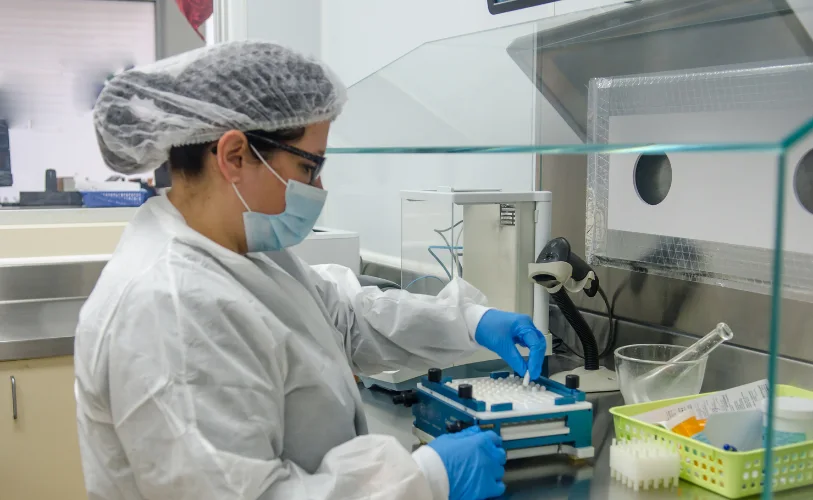
Non-sterile compounding
Compounding specialties
Compounding may be considered when an available manufactured medication does not meet an individual patient's medical needs. Select a specialty for information for patients and prescribers.
DermatologyDermatologic compounding creates individualized preparations for the skin, scalp, or nails when a patient needs a formulation not found in a suitable manufactured product.Explore this specialty
For patients
Skin needs vary by condition, treatment area, sensitivity, and daily routine. A prescribed preparation may use a cream, ointment, gel, or other appropriate base that is easier to apply to a particular area, or may leave out an ingredient that causes sensitivity. Your pharmacist can explain application, storage, and what to expect from the formulation.
For prescribers
Dermatologic treatment can be shaped by the diagnosis, application site, skin integrity, sensitivities, and patient preferences. Prescribers and pharmacists can work together to clarify the therapeutic objective and consider ingredient stability, vehicle compatibility, application needs, and patient-friendly counseling, then share observations about practical use and tolerability.
Hormone Replacement TherapyHormone replacement therapy is personalized care for diagnosed hormone needs, and compounding may provide a tailored formulation when an appropriate manufactured option does not fit.Explore this specialty
For patients
Hormone needs and treatment goals can change with life stage, health history, and other medicines. When prescribed, an individualized preparation may offer a different dosage form or omit an ingredient you cannot tolerate. Your clinician and pharmacist can help you understand how the medicine fits into your care and follow your experience over time.
For prescribers
Hormone care brings together the patient’s diagnosis, clinical findings, health history, treatment goals, and preferences. When a manufactured therapy does not meet a specific formulation need, prescribers and pharmacists can collaborate on dosage form, ingredient compatibility, practical use, and a follow-up plan that supports consistent, coordinated care.
Pain ManagementPain management compounding offers individualized medication forms within a broader care plan when an appropriate manufactured product cannot address a patient’s particular formulation needs.Explore this specialty
For patients
Pain can affect movement, sleep, work, and everyday activities in different ways. Alongside other parts of your care plan, a prescribed preparation may provide a dosage form suited to a particular application area or avoid an ingredient you cannot tolerate. Your care team can discuss realistic goals, practical use, and how the plan is working for you.
For prescribers
Individual pain plans may reflect the diagnosis, functional priorities, comorbidities, previous therapies, and the role of nonmedication care. When a formulation gap remains, prescribers and pharmacists can collaborate on compatible ingredients and dosage forms, review concurrent medicines, align patient counseling, and share observations about usability, tolerability, function, and response.
PediatricPediatric compounding adapts a prescribed medicine’s form or ingredients for a child whose needs cannot be met by a suitable manufactured product.Explore this specialty
For patients
Some children have difficulty swallowing a tablet, need a more manageable medicine form, or cannot tolerate an ingredient in a standard product. When appropriate, a pharmacist may prepare the prescribed medicine in a child-friendly dosage form. Caregivers can ask for clear guidance about measuring, giving, and storing it, making the daily routine easier to understand.
For prescribers
Pediatric formulation needs may reflect age, swallowing ability, ingredient sensitivities, clinical circumstances, and caregiver capacity. Prescribers and pharmacists can collaborate on a compatible dosage form, appropriate measuring device, storage needs, and plain-language caregiver instructions. Continued communication can support practical administration, adherence, tolerability, and response as the child’s needs evolve.
Have questions? We’re here to help.
Call our pharmacy to learn more about compounding, ask a question, or talk through your next steps.